 Türkçe

Türkiye has introduced a Digital Nomad programme, opening its doors to eligible remote workers from around the globe. Run by the Ministry of Culture and Tourism through the GoTürkiye Digital Nomad platform, it is aimed at attracting remote professionals to various regions, including Istanbul, Dalaman, Antalya, Bodrum, and Izmir. This guide covers eligibility, the application process, and what living in Türkiye as a digital nomad involves.
At Ketenci & Ketenci, we advise on the Turkish Citizenship and Residency by Investment programme as well as the Digital Nomad route, drawing on our broader experience in Turkish immigration, real estate, and corporate law.
Eligibility Requirements
Age and Nationality
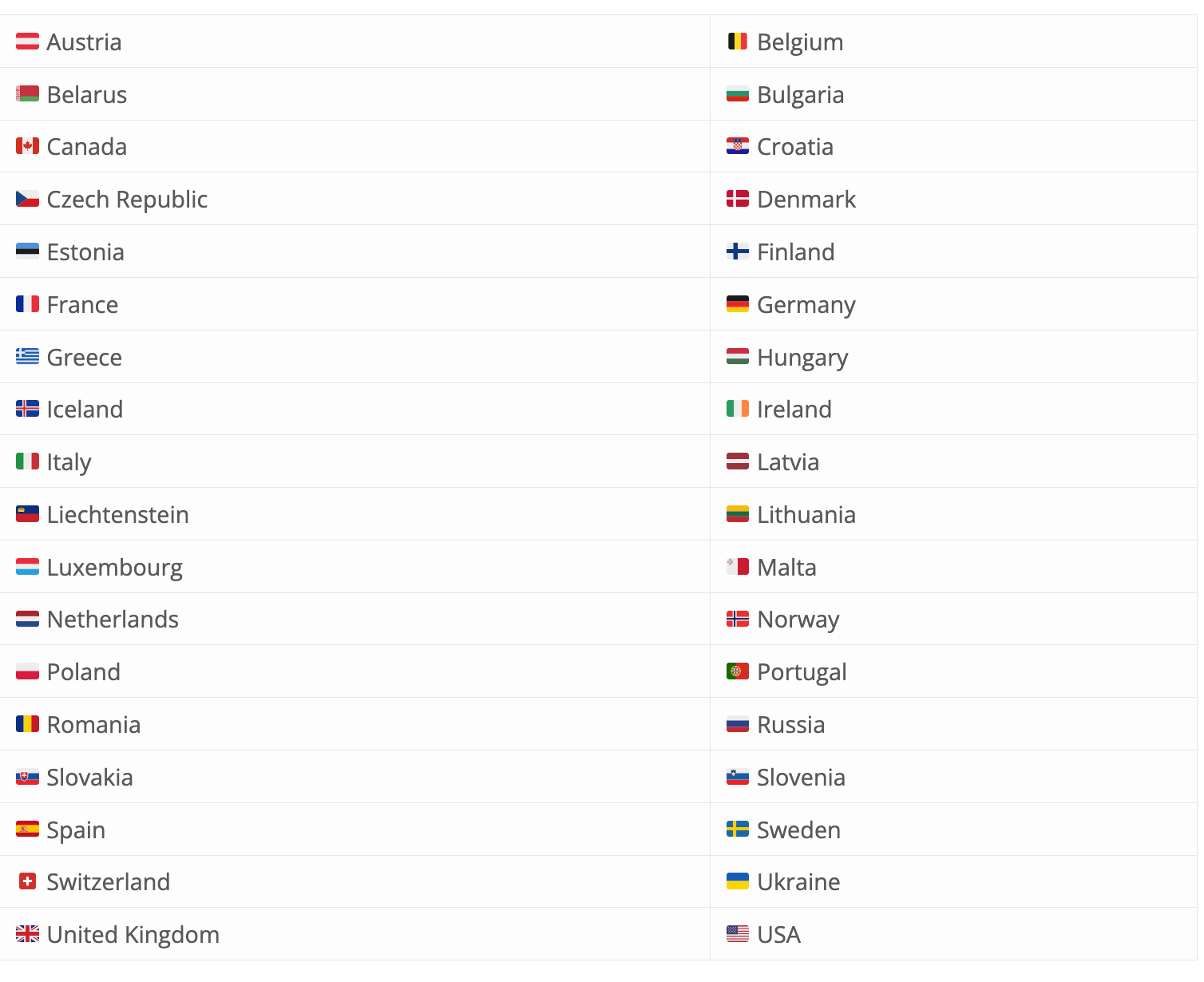
Applicants must be between 21 and 55 years old. The programme is limited to nationals of a published list of eligible countries, which currently includes most EU and EEA states, the UK, Switzerland, the US, Canada, Russia, Ukraine, and Belarus. Applicants from countries outside this list are not eligible under this route and would need to consider a different residence option.
Income Requirements
Applicants must prove a monthly income of at least USD 3,000, or an annual income of USD 36,000, sourced from outside Türkiye. This is verified through documents such as employment contracts, business contracts, and bank statements.
Employment and Education
Applicants must show they work in the digital nomad field: either an employment contract with a company established outside Türkiye, or, for self-employed applicants, a business contract with a company established outside Türkiye. A diploma or other official certification showing that the applicant is a university graduate is also required.
Passport Validity
A passport valid for at least six months from the date of arrival in Türkiye is required for the application.
Not Sure If You Qualify?
Our legal team will review your nationality, income, and documentation against the current programme rules, at no obligation.
Get in Touch Call Us: +90 532 132 92 33Application Process
The route runs through three distinct stages: an online pre-certification, a consular or visa-centre step to obtain the Digital Nomad Visa, and, where the intended stay requires it, a separate residence permit procedure after entry.
Digital Nomad Identification Certificate
Applicants register and upload the required documents, including a copy of their passport, a diploma or degree certification, proof of the qualifying remote work relationship, a biometric photo, and proof of income, on the GoTürkiye Digital Nomad platform. If approved, the applicant receives a Digital Nomad Identification Certificate. This certificate does not by itself constitute a visa, residence permit, or work authorisation; it is a prerequisite for the following stage.
Digital Nomad Visa
Applicants take the certificate and supporting documents to a Turkish visa centre or consulate in their place of residence to apply for the Digital Nomad Visa. Consulates may request additional documents beyond those submitted for the certificate, such as a completed visa application form, a police good-conduct certificate, evidence of accommodation, and a flight reservation; requirements can vary by consulate and should be confirmed directly with the relevant Turkish mission before applying.
Residence After Entry
Where the intended length of stay in Türkiye requires a residence permit under the Law on Foreigners and International Protection, the applicant must complete the appropriate residence-permit procedure separately, in accordance with the rules and processing route (including Türkiye's e-Residence system) applicable at the time. The Digital Nomad Identification Certificate and visa do not themselves create an automatic or fixed-term residence status.
The qualifying remote-work activity must be connected to an employer or contracting company established outside Türkiye. Local Turkish employment generally requires a separate Turkish work permit, and any change in the applicant's professional activity should be reviewed against the programme's conditions before it is made.
Tax Position
Under Turkish domestic law, an individual generally becomes a full Turkish tax resident by having a domicile (ikametgah) in Türkiye, or by remaining in Türkiye continuously for more than six months within a calendar year, subject to statutory exceptions for certain temporary purposes. Applicable double taxation treaties between Türkiye and the individual's home country may further affect the analysis. Individual tax positions vary and should be assessed on a case-by-case basis before relocating.
New 2026 Foreign-Income Tax Exemption
A significant change took effect in 2026. Law No. 7582, published in the Official Gazette on 4 June 2026, inserted a new Article (Mükerrer Madde 20/D) into Türkiye's Income Tax Law. Under this provision, an individual who becomes a Turkish tax resident, and who had no domicile and no Turkish tax liability in Türkiye during the three calendar years immediately before becoming resident, may qualify for an exemption from Turkish income tax on income and gains derived outside Türkiye for twenty years. Among other conditions, the individual must obtain an exemption certificate from the competent tax office, and the implementing rules were set out in General Communiqué No. 333, published on 4 July 2026.
This exemption is a matter of tax law, separate from qualification for the Digital Nomad Visa itself, and should not be assumed to apply automatically. Whether an individual qualifies, and how the three-year look-back and certification requirements apply to their specific history, requires dedicated tax advice.
Benefits of Living in Türkiye as a Digital Nomad
Competitive Cost of Living
Costs can remain competitive with many major Western European and North American cities, though housing and day-to-day expenses vary sharply by city, neighbourhood, and exchange rate.
Rich Culture and History
Türkiye blends Eastern and Western traditions across ancient sites, vibrant markets, and a dynamic cultural scene.
Strategic Location
Situated at the crossroads of Europe and Asia, with major cities well connected by air, road, and sea.
Diverse Landscapes
From Aegean and Mediterranean coastlines to the rock formations of Cappadocia.
Modern Amenities
Major cities offer reliable internet and a growing number of coworking spaces.
Welcoming Community
A hospitable culture that many remote workers find makes settling in easier.
Best Locations for Digital Nomads in Türkiye
Istanbul
Türkiye's largest city blends ancient history with modern amenities. As a business centre with established companies and startups, Istanbul draws a mix of cultures and offers numerous coworking spaces, reliable internet, and an active social scene.
Dalaman
Located on the Aegean coast, Dalaman is known for good transport links, a quieter environment, and recreational activities, offering an alternative to the larger cities while still supporting remote work.
Izmir
Also on the Aegean Sea, Izmir offers year-round warmth, Blue Flag beaches, a relaxed atmosphere, and cultural heritage, with a reasonable balance of work and leisure.
Antalya
Known for its turquoise coastline and historic sites, Antalya combines beaches, ancient ruins, and tourist infrastructure in a generally laid-back setting.
Cappadocia
Known for its rock formations and cave dwellings, Cappadocia offers a slower pace of life that some remote workers find suited to focused, quieter work.
Bodrum
On Türkiye's southwestern coast, Bodrum pairs beaches and a marina lined with cafes and restaurants with historical sites including Bodrum Castle, the ancient Mausoleum at Halicarnassus, and the Myndos Gate, alongside an active nightlife scene.
Marmaris and Fethiye
Also featured among Türkiye's promoted digital nomad destinations, Marmaris and Fethiye on the southwestern coast combine marina towns, nearby beaches, and a slower pace than Istanbul or Antalya, with a smaller but growing remote-work community.
Practical Tips for Living in Türkiye
Accommodation
Accommodation is generally straightforward to arrange, with options from furnished apartments to longer-term rentals available through platforms such as Airbnb, Booking.com, and local real estate agencies.
Transportation
Türkiye has a well-developed transport network, including buses, metro systems, ferries, and domestic flights, with public transport that is generally affordable.
Health Insurance
Health insurance is not among the documents listed for the Digital Nomad Identification Certificate itself, but appropriate coverage valid in Türkiye may be required at the visa or subsequent residence-permit stage. Many digital nomads use international health insurance plans that provide coverage in Türkiye; the right plan depends on individual circumstances.
Language
Turkish is the official language. English is commonly encountered in tourist districts, international business settings, and some central urban areas, but day-to-day services often operate primarily in Turkish. Learning basic Turkish phrases is generally appreciated by locals.
Safety
Applicants should review current official travel advice and local conditions for the areas in which they intend to live, while taking ordinary urban and travel precautions.
Our Services for Digital Nomad Applicants
We understand the practical needs of digital nomads relocating to Türkiye and offer tailored support throughout the process:
- Visa Application Support: Guidance on the application process for Türkiye's Digital Nomad route, including document preparation and submission.
- Bank Account Opening: Assistance with account-opening documentation and introductions, subject to each bank's independent KYC and acceptance requirements.
- Property Reviews and Transactions: Advice on property matters, including for clients also considering Türkiye's Citizenship by Investment programme.
- Legal Compliance: Ensuring the application and ongoing residence comply with Turkish immigration law.
Frequently Asked Questions
Ready to Make Türkiye Your Base?
Contact us to learn how we can assist you and your family with the Digital Nomad application process.
Speak With Our Legal Team +90 532 132 92 33
This page is provided for general informational purposes only and does not constitute legal advice. Eligible nationalities, income thresholds, and application procedures are set by the Turkish authorities and are subject to change. For advice specific to your circumstances, please contact our legal team directly.